








GET THIS BOOK NOW!
|
Bur News Tips Welcome
to BURR NEWS TIPS: TOP
WRITERS ON MUSIC
. . . as published in a Buddy Magazine profile.
Convinced that people buy music based on the opinions of music
reviewers, Buddy magazine reporter Tom Geddie asked 30 or so
top writers and critics to answers questions that might help
us understand where the writers are coming from, their thoughts
on which albums to review, what elements make an album great,
how seriously readers should take reviews, and what they see
as the reasons that Texas music seems to be so popular. A few
responded. Geddie found that they/we are very conscientious
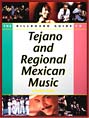
about what they do. He welcomes comments at tomgeddie@compuserve.com. Burr Tips: For a list of newspaper deadlines and direct contacts info go to bottom of this file. PARTICIPANTS: Ramiro Burr is a San Antonio Express-News' syndicated music columnist and A&E reporter. He is also an author, a Billboard correspondent, professional speaker and a free-lance music writer published by Pulse, Rhythm Music, Cashbox, Performance and New Country Music magazines. He is author of The Billboard Guide to Tejano and regional Mexican Music, published by New York's Billboard Books in 1999. Thor Christensen is pop music critic for the Dallas Morning News. John T. Davis is a music writer for the Austin American-Statesman. Tom Geddie is a business communication consultant who also writes about Texas-related music for Buddy; for two new magazines, Fort Worth, Texas, and Down Home, Texas Style, and from time to time for other publications. Don McLeese is a former Austin American-Statesman writer and the father of two daughters "whose musical tastes sometimes annoy me as mine did my parents." Rick Mitchell is a former music writer for the Houston Chronicle, and has written for music magazines including Musician, Downbeat, Request, No Depression, New Country, LA Weekly, LA Times, etc. He is author of Garth Brooks: One of a Kind, Working on a Full House, by Simon & Schuster in 1992. Joe Nick Patoski is a Texas Monthly senior editor and free-lance writer. His first article for a commercial publication appeared in the 1973 debut Buddy issue. Rick Koster is a Texas musician/songwriter, author of the book Texas Music, and a frequent contributor to publications including Buddy. He is currently in exile at The Day in New London, Connecticut. Chris Riemenschneider is pop music writer for the Austin American-Statesman. Lana Shults is arts and entertainment editor for the Wichita Falls Times Record News. Mario Tarradell is country and Latin music critic for The Dallas Morning News.
------------------------------------------------------------------------------------------------------------------------- "The ultimate purpose of music is to move people, whether it's to tears or to the dance floor. To make them cry, to reflect, or remember. The purpose of artists is to express themselves, to have the courage to create something, and then share that with everyone." -- Ramiro Burr 1. Just as a loose estimate, how many albums might you get in a typical week? How many from major labels, small labels, and self-produced? Burr: I receive anywhere from 20 to 35 CDs a week, mostly from the major labels, with about 10 % from indies. Our department probably gets anywhere from 90 to 140 a week, depending on the season. Christensen: I'm guessing 40-50 or so. The vast majority are from major labels, with maybe 10-30 % from independent labels, maybe close to half. I get very few self-released albums.. We've got to spend so much of our time writing about big concerts coming to town, and all the Alanis Morissette CD releases that it's hard to find time to devote to interesting and upcoming acts. If I had my choice between reviewing like the 15th reunion tour of Styx or doing something on some cool up-and-coming singer-songwriter from Texas, I'd much rather write about the local writers. Davis: From one to eight, roughly 50% majors, 40% small, 10% self-prod. Geddie: Anywhere from a couple to six or eight. I get just about as many self-released and small-label albums as major-labels -- maybe more. Koster: Probably 3-5 in a typical week. Probably because I tend to review a lot of provincial stuff and small market stuff (Louisiana music, jazz, the King Crimson family), I'm on the lists for labels like Rounder or Evidence or Discipline or Matador. Still, I get a few major label "biggies" every week, and simply contact any labels for specific stuff I need. I might add that the per capita "crap" quotient is pretty high, for those jealous of the graft angle. Mitchell: 50 to 100. McLeese: As many as 50-100, though I've been dropped from some lists since I'm no longer writing about music exclusively Riemenschneider: I probably get about 35 CDs a week. I'd definitely say I get more from indies. A lot of the majors are playing it cool these days, so that I have to call and ask for the R.E.M. or PJ Harvey records (which they know I'll want), but then I'll get three copies of the long-awaited Fur or Mojave 3 albums. Patoski: 15, mas o menos. Shults: One to three albums. Probably two out of three from self-produced. Tarradell: Let's say 14 major label, four small label, and two self-released. 2. With limited space in publications, how do you decide which albums to review and which ones you cannot, and who you write features about? Burr: As a daily newspaper, our main focus is local, that is regional acts, and also major touring acts which are headed our way. In our CD review section we do review, or make sure we have wire reviews, of all the major titles released each week. Christensen: I do have some say on what I write about. If there's a CD I really like, I can write about it. I just have to find the time to squeeze it in. If I think somebody is great, the newspaper is happy to have an article on them. Davis: Depends on the artist, whether a major artist or a local angle, or if artist is a local favorite. More inclined to pass on second-tier major label artists in favor of an interesting indie artist when space is limited. Features are often tied to forthcoming appearances in the area, or a local hook. Geddie: I focus entirely on musicians with Texas connections, and tend to focus loosely on Americana -- country, folk, and related "roots" music. I make an effort to review well-known musicians' new releases, but probably write about as many or more lesser-known musicians whose work everybody needs to know about. I only review albums that I like at some level, and I never have enough time to review everything I like. Koster: Writing for a New England daily half way between Boston and NYC -- obviously a convenient stop for touring acts -- and within 20 miles of two major casinos, we get a lot of major bands coming through. As such, we cover those artists in features, reviews, and previews, and tend to single out promising local artists or on-the-way-up groups in Sunday features. As for CD reviews, I try to pick records that are a) good, and b) maybe something everyone's not going to automatically buy. I won't review Garth Brooks or Celine Dion, for example; not necessarily because they suck, but because I'd rather use the space to maybe enlighten someone about a great artist that is somewhat unknown. McLeese: It's a balance between high-profile stuff that demands to be reviewed on news value, and lesser-known stuff that deserves a wider audience. Mitchell: Obviously, certain albums have to be reviewed because of news value. If Celine Dion has sold 20 million copies of her previous album, then we are going to review the new one. Those artists who I feel merit attention for maybe regional reasons or like, say, a new Willie Nelson album that's probably a bigger deal in Texas than in other parts of the country. And then those that are just interesting to write about, usually because they are good and people are not going to hear about them; sometimes, if they are bad and some other critics think they're good. Patoski: It's hard to say. A combination of instinct, my perception of a publication's readers, what appeals to me professionally and personally. Riemenschneider: Record reviews generally fall into three categories: The major releases (R.E.M., Alanis) that the readers want to know are any good. Then the not-so-majors that you want them to know are really good. Then the local releases that fulfill your "local quota." We have a lot of that in Austin. One way we keep things tight is to not review bad albums by relatively unknown acts (Fur, Mojave 3). Features boil down to two criteria: 1) Good story (most important), 2) Popular act. Either way, you want readers to be interested. Shults: Our music reviewers decide which albums they will review. As of now, we just have one music reviewer who writes about country music (we did a survey and found out this is the most popular format in Wichita Falls). He does a good mix of reviews. He'll usually do the big releases (like Garth Brooks, Shania Twain), but has also done Americana releases, releases by performers/bands coming here (like Jack Ingram and Chris Wall), releases by country legends like Willie Nelson and such. Pop reviews come in sporadically by whoever buys a new album and wants to review it. Occasionally, we'll get CDs in the mail that someone will review for me. Tarradell: I cover country and Latin music. Certain artists must be written about: Garth Brooks, Shania Twain, much to my dismay. The big artists must be covered. in the Latin market. Anything posthumous by Selena has got to be covered. Enrique Iglesias. Luis Miguel is big. The readers, a lot of fans, are going to want to know what's up, what's out, is it good or bad. Not that what you say is going to prevent them from buying it. Selena is still not only big saleswise, but is a very influential artist for lot of female Tejano singers. That's a factor. Otherwise, trying to figure out, to find a discovery: what new artist I feel so strongly about and I know most readers probably never heard of. There's a need to make sure people read it for at least five minutes, to plant a seed in somebody's head. That's another reason. A lot of times who falls through the cracks, from a commercial standpoint, are the artists that people know who they are, but who are not a big deal from a critical standpoint. If the album is just okay, and I don't really have anything to say about it, that's kinda what falls through the cracks. For instance, when Lee Anne Womack's debut came out, I remember listening to that album and being floored by it. I told myself I've got to get her on the phone. And I did a big feature on her when her latest album came out. One thing feeds the other.
"My challenge in my reviews of CDs or live shows is to detail what happened and indicate whether it was significant, exciting, or different. If it was good, I explain why it worked; if it disappointed, I say why or suggest how it could have worked better. I take the attitude of wine or restaurant or art reviewers, always trying to educate readers on what defines good music, or what defines good value, what to listen for, how to compare, or try to explain what is so hard to do sometimes, to explain how some artists have more impact, more magnetism, or connect more solidly than others. It's tough because some elements are intangible." -- Ramiro Burr 3. When you review an album, what elements do you look for to help differentiate great albums from good ones, and good ones from average ones, and average ones from mediocre ones? Burr: I look for excellence across the board, great songs, fine execution, conviction, and honesty, as well as the usual items like distinctive sound, original material, music that connects, that has relevance, inspiration, magnetism, accessibility, hypnotic allure, tribal fever. Great albums have all these elements. Average and mediocre have less of these elements. Christensen: The main thing I always look for is originality. It is such an incredibly rare thing to find somebody who has an original voice or is an innovator. If I hear that, lights start going on in my head. That's not the only criteria, but it's the most important. Somebody doing something different, or taking some chances, or breaking down barriers between genres or categories, or somebody who just has no use whatsoever for formulas. Unfortunately so many bands and songwriters go by formulas to try to get on the radio. Davis: I try to put an album in context with an artist's past work, and try to factor in natural expectations (i.e., Lucinda's work is apt to be more thought-provoking than Faith Hill's). Also, I look to see if an artist seems to be growing creatively, I like to see evidence of stretching rather than playing it safe. Otherwise, it's very subjective. Geddie: I probably focus a little more on the lyrics. Most of the time, I want the music to support the lyrics and the voice. That generally -- but not always -- means simple instrumentation. Occasionally, the music is the most important element. Other elements I consider include the power to move listeners, the appropriate voice for the lyrics, production values, originality, consistency, legibility, and whatever intangibles strike me. What the music evokes is very important. Koster: Hmm. I don't know; that seems to over-intellectualize my process. I'm more of the kind of weasel that finds something he likes and writes about it. I guess it's fairly easy for me: Neil Finn's new album, for example, is wall-to-wall great. It's a masterpiece, and very rarely do you find a record where every song is good. So that's obviously excellent. A CD with four or five good songs, or maybe two or three good ones with one killer, career-making track, is certainly a keeper record, though that means there's a lot of filler. The last Better Than Ezra record is like that. I play it a lot, because there are some great songs, but when it ain't great, it's pretty mediocre. And I try to explain that. Rarely do I give a flat-out crappy review. I'd rather not slam somebody -- particularly when there's so much good stuff out there that no one knows about. McLeese: I tend to have an immediate, instinctive response before any thought processes kick in. I know how much I like something (or don't), and then have to figure out why. To me, average albums are mediocre ones. Mitchell: One is that the music will hold up, stand the test of time, that it isn't just the flavor of the week. Yet at the same time it does make a unique statement about this place and time in our culture, an album that may be timeless but could only be recorded in 1999, that makes a new and unique statement. There are few artists who can do that consistently, then others who make the same album over and over again with the law of diminishing results. Patoski: There's no set criteria. Does it sound good, are the lyrics saying something, does it move me? Riemenschneider: It all boils down to whether I want to hear the record again after, say, 10 listens, and whether any or all of the songs are starting to stick in my head by then. It's easy to pick out the bad albums, but it's difficult to decide on the great ones because, often, the best albums take time. Shults: The big thing is if you like the music or not, and that's very subjective. Then you look at variety on the album (slow songs vs. fast songs), how well the musicians play, production quality (usually only if this interferes with one's enjoyment of the album), lyrics and songwriting, how well the vocalist sings. Tarradell: I'm not always looking for the avant garde, left-of-center, out-there records. Some critics think that in and of itself makes a good record. I don't agree. I think a good record is made up of good songs, passionate singing, honesty. Those are big deals. Is it ringing true, like something that's coming from their heart as opposed to from their heads, to get more numbers in their checkbooks? Listening that way, it's pretty easy to tell what's commercial and what's from the heart. This isn't to say that something commercial can't be good. I'm not thinking along the lines of if it's going to be a hit, it's not going to be good. I'm thinking, is it good? That separates a great album from a good album. If what the artist is doing on that CD sort of reverberates in your head, that's great. Another good way to tell if something is really great, or just merely good or OK, is, after I've written the review, edited, and maybe it's even run. A week later or whenever, if I pick up that CD again just because I want to hear it, that says something. For instance, in 1997, Sara Evans. That album just blew me away: traditional country, Patsy Cline meets the 1990s. I couldn't stop listening to it. I would pick it up every other week. That says to me, "Great record." Between good and average, lines start to blur. The separations aren't usually that wide. Between average and mediocre, the line is extremely thin. For example, George Strait is always good. I don't think he's always great, but he's always good. He always picks good songs, and his heart is always in the right place. In my opinion, Tim McGraw is usually average. 4. Do you judge -- and write about -- established musicians more critically than new ones, or do you judge them all the same way in your writing? Burr: The bigger they are, the higher the bar used to measure them. Absolutely, much more is expected and criticism is more severe when they do not measure up or disappoint. My philosophy is not to waste space writing about local or regional bands, until that is, they are up to par. Why waste space knocking them down if they are not ready for prime time? But a name band, a top act, people recognize them and are anticipating or thinking about buying their material, so they are more inclined to want to know, how is their latest measuring up. Christensen: Just because somebody is new, it doesn't really change whether I think they are good or bad. I might be willing to cut somebody more slack if it's their first album than I would if it's somebody who put out 10 albums and charges $35 a ticket for performance. For somebody who's playing at Poor David's Pub and is testing out their songs, certainly it's a different sort of -- not really a different judgment scale, but there are different things that factor in. Just because it's new and local, I won't review on a totally different scale. But you do sort of take things into consideration. Davis: I try to apply the same criteria to all artists, namely, mastery of craft at a given level in a career, artistic vision, and technical proficiency. Geddie: I'm more likely to criticize established musicians because I expect more from them than I do from newcomers. From time to time, I've decided to just ignore an album; that's one of the benefits of choosing who I write about. Koster: When Ron McKeown originally contacted me about writing for Buddy, I agreed with the caveat that I would never slam a local band. I don't really like slamming anybody, but artists like Steve Miller or Bob Seger aren't going to be hurt by my little criticisms. But having spent 15 years of my life working my ass off trying to make it as a musician playing original material, I've definitely suffered the slings and arrows aimed at me by local nitwits who couldn't write a song if you held a gun to their heads. Again, that doesn't mean I candy-coat a lousy local act; I'd just rather write about somebody good. McLeese: Only real difference is the frame of reference. With established musicians, you're judging within the context of previous work. I don't have a different scale for new or old (or for local or national, for that matter). Mitchell: Sometimes if somebody comes out -- like say Linda Ronstadt made a new album last year, not a great album, but the best she's done in 15 years maybe, but it didn't get a lot of critical attention because it was Linda Ronstadt. But if that was Jewel, everybody would be falling all over themselves. I try to avoid playing into that cult of the new that a lot of critics go for, yet to a certain extent it's inevitable because we are always looking for something new to write about. If you hated the last eight Reba albums in a row, it wouldn't be honest to say you approach the next Reba album without some biases. But she might make an album that gets back to what she was doing in the mid 1980s, so I've got to try to keep an open mind. Patoski: Pretty much the same. Established artists have a track record, which a writer may riff on. New artists don't, so it's more difficult putting them in perspective. Riemenschneider: I definitely grade on a curve, but I think it's more a subconscious thing. There's just something more exciting about finding and discovering new talent that makes you not judge them so harsh. That's why sophomore albums (almost) always get bad reviews. Shults: Everyone gets the same treatment. But an established artist has more history to look at, and that's an additional critical element that must be included. With established artists, a critic has to compare the new work to past works. That's expected. With new artists, there's not that kind of history to go on. Tarradell: You try to judge them all the same way, because an artist is an artist is an artist. But there is a point when you can listen to an established act do something really stupid or sing something really inane, and say to yourself they should know better than that. Maybe for a new act, say maybe they don't know any better yet. But still, I'm a big believer in an artist is an artist is an artist. A record is good or bad. Judge it for what it is. Use that same basis for both new and established acts. Let's say George Strait all of a sudden records an album that sounds even more ordinary and mediocre than Garth Brooks, and you ask yourself, "What happened here?" In that sense, I might judge him differently there, because he should know better. But talent is talent, regardless whether its a 23-year-old or a 60-year-old. A veteran might have a little more baggage. 5. Why do you write about music, whether as critic or as feature writer? Burr: Arts and entertainment is a field I picked 16 years ago, as a staffer here, and as a free-lance writer. I enjoy it. It is satisfying. It is exciting, ever-changing, fun, adventurous, thrilling. I like to write about music because music connects with everyone, from old country, blues, and trad jazz, to new rap, hip hop, and Brit pop. It is a soundtrack to our lives. It's always thrilling to discover new great music, or watch an awesome performance that is radiating that indescribable magic that no one can capture. Christensen: Because I love it. Anybody who doesn't love music and feel passionate about it doesn't deserve to be writing about it. I'm incredibly lucky that I get to write about something I love as opposed to what most reporters write about. That's still a good job, and I respect people who do it, but I feel so incredibly lucky to listen to music and write about something I love. Davis: Austin is such a wonderful musical environment, and I have always been drawn to creative people. Plus, it's a treat to watch artists emerge, grow, and develop. Geddie: I grew up around country music. My father is passionate about country music and was always playing his fiddle or other instruments or records while I was growing up. He played in several obscure bands for years, and still plays and records his own stuff because he loves music. I listened mostly to folk and rock as a teenager and in college before pursuing other interests. In the past few years, music has become a way of exploring my own feelings. It's also just fun to listen to. Koster: I love music. It's a vital part of my life and always has been. Plus, growing up reading Lester Bangs and rock mags like Rolling Stone, Circus, Crawdaddy, and, yes, Buddy, I began to enjoy the process of using one medium to express enthusiasm for another. McLeese: Because music is one of my life's passions, and writing about it beats working for a living. Mitchell: I feel privileged in a way to have this job, because I've been able to combine my passion, which is music, with my training or skill as a journalist. It's one of those jobs you don't really leave at the office. All the time, I'm thinking about music and that feeds into my job, which is both a blessing and a curse. It's sort of a calling. but you can get worn out having to have an opinion about everything that moves. Someone has to remind the marketplace that John Coltrane is of more importance to our culture than Busta Rhymes, regardless of who's selling more product at the moment. That is what we do. I feel it's a real privilege to have that responsibility. At the same time, sometimes we're wearing three different hats. I'm a reporter, I'm a reviewer, and I'm a critic. It's really the last of those roles, where you really seriously do some independent thinking into the relationship of aesthetics and society that we don't always have time to get to in daily newspapers. Patoski: I like music. So do readers. Riemenschneider: Wanted to be a writer. Loved music. Simple. Shults: Writing about music is expected by our audience. That's what they want to read about; that's what we write about. In a survey done a couple years ago, we found out that newspaper readers in our area want more entertainment, whether music or movies or videos or books. Tarradell: It stems from childhood. I always loved music. I've always been a big collector as far back as can remember. I was into 45s, sort of a product of Top 40 radio growing up in Miami, Florida. I am also a product of Latin music because I'm Cuban and grew up in a very Latin household. I started writing tail end of high school. As I grew up and started to want to write about music, my tastes expanded and I wanted to seek out new things. Before I knew it, I was seeking out things that weren't on Top 40. That stems from my passion for music. It may sound corny, but music is really a universal language. Music is capable of bringing everybody in. 6. How seriously should readers take your reviews? This is not meant as a silly question, but as an acknowledgment that there's more music out there than any of us can touch. Burr: I don't have an opinion on how serious people should take the review. At the least, my columns are simply another person's opinion. Ideally, it is an informed opinion, but subjective nonetheless. Above everything, I consider myself a fan, always. But a critical fan with high expectations and a philosophy that questions everything. And precisely because there is so much music out there, I don't believe in wasting space on negative reviews of smaller acts that are not up to par yet. Whether they take the review serious or not, my goal is to make sure that readers walk away with something from my reviews -- new information, an understanding of the art, a knowledge of what is good, or how music connects, so they can also appreciate it, and perhaps teach or discuss it with others for further understanding, analysis, or just good old fashioned debate. Christensen: I would advise all readers to take anything a critic writes with several large grains of salt. I think my best advice, what I try to do as a reader, is to read as many critics as I can, to get a feel for what other critics are saying. If you read one critic and he's recommending an album, that's one thing. If you read five different critics and all are recommending the same album, then you know you are onto something. If I'm a reader and I read a review where somebody says this album sucks, they should take it into account, but not as a be-all opinion. It's one person's opinion. Critics tend to take themselves too seriously. I never forget that my opinion is just one person's opinion. Davis: Readers that read my stuff on a regular basis can gauge my tastes pretty quick and respond to a piece of music or an artist accordingly. All journalism everywhere should be taken with a proper degree of skepticism. And let's face it, this is not reporting on Bosnia or welfare reform or similar life-altering stuff. But I try to approach all of my writing with a journalist's professional tools and standards. Geddie: All reviews are simply one person's opinion. I listen to a lot of music -- all kinds of music -- and think about what I'm listening to. Good music is more than just a pleasant diversion that's filling up the background. Koster: I don't take my reviews particularly seriously, and the tone probably reflects that. I try to write informative, witty stuff without making it sound like a report on biological warfare. If I can gently nudge some reader in the direction of a James Booker record or show them what a joy it can be to see Cowboy Mouth live, so much the better. But this isn't globally important stuff -- other than music makes life good. McLeese: I take them seriously, though I always wish I had more time to live with an album before writing something. I think that if you become familiar with a reviewer's prejudices, biases, and quirks, you can use them as a measuring stick for your own. (I had readers in Chicago who said that they could tell if I hated something, they'd probably love it.) Mitchell: I'm always right, even when I'm wrong, because ultimately it's just my opinion. Theoretically, I have a more informed opinion than the average reader. If I don't, then I shouldn't be doing this. I've been doing it full time for 20 years. I've been to a lot of shows, heard a lot of albums, and have a pretty consistent standard of what I look for. Ultimately, it still just comes down to a matter of taste. People have the right to like whatever they like. Patoski: As serious as you desire. Riemenschneider: Yeah, but critics hear most music that's out there, or at least more than most people hear. Ultimately, though, you have to remember what a critics' job is: to keep readers interested. So we may go over the top with our critiques now and then. Shults: Reviews are opinions. I don't think anyone should take them that seriously. They're not the final word on whether the music is good or bad. Readers who want to know whether or not to waste their money on an album should read a lot of reviews. If they're all bad reviews, well, that tells you something. As for the musicians themselves, we realize a review means a lot to them and we should be fair in what we say about their music. We try to find what's good in the album and what could have been done better. Tarradell: In the sense that I'm always going to be honest, one way or the other. It really bugs me when I think it becomes obvious when a critic has some kind of agenda. Take Shania Twain as an example. Her next-to-last album was trashed. The reviews were horrendous. I reviewed it and thought it wasn't great, but that it was catchy, a guilty pleasure. Her next album, the one that's out now, I hated from the get-go. It was not only a carbon copy of the last one, but a step down. All of a sudden she's getting all these good reviews now. I said, "Wait a minute. She sold 10 million records and now we've got to give her a break?" That bugs me. I'm trying to be honest from the beginning, to be fair. If I don't like something, I'm going to tell you so. In that sense, people should take my reviews seriously because I'm writing them with a lot of thought behind them. Should you do your record shopping according to Mario Tarradell's opinion? No. Seven million people bought Shania Twain's last album, and I hate it. One thing I always tell people is, "Look, you may not always agree with me, and that's fine, but I ask you to accept and respect what I have to say." I slaved over that open letter I wrote to LeAnn Rimes. The reason I did that was to make sure the words were chosen correctly so that people wouldn't think I had an ax to grind, because I don't. She's a 16-year-old girl with serious pipes, but not a clue about what to do with them. I wanted to say, "Come on, wake up, get away from these people around you and find yourself. When you find yourself, you will find your music." With her stature right now, nobody's telling her what to do with it. That was the point behind that letter. She wants to do country, and she wants to do pop, and movies, and TV, and I almost want to tell her to master one thing first before going on to the next one. "Texas music is rich in tradition and history. This state has had a lot of blues, rock, country, Tejano, and hybrids of those genres, more so than any other region except Nashville, New Orleans, or Memphis. Texas is unique, the confluence of so many cultures here over the last 200 years generated cultural collisions, exchanges, a mishmash of styles, ideas, roots, and influences. This is what make music form this region so rich." -- Ramiro Burr 7. What knowledge can you share that would make readers better consumers of your work? Burr: My challenge in my reviews of CDs or live shows is to detail what happened and indicate whether it was significant, exciting, or different. If it was good, I explain why it worked; if it disappointed, I say why or suggest how it could have worked better. I take the attitude of wine or restaurant or art reviewers, always trying to educate readers on what defines good music, or what defines good value, what to listen for, how to compare, or try to explain what is so hard to do sometimes, to explain how some artists have more impact, more magnetism, or connect more solidly than others. It's tough because some elements are intangible. Christensen: The main thing is that most critics, or at least myself, I don't enjoy writing negative reviews. I get a lot of letters that seem to think critics hate everything, that critics love nothing more than bashing some artists, when in reality it's exactly the opposite. I think that's important for readers to know, although I don't think many of them understand that. They see critics as trying to shake up the hornet's nest. If I am given my choice about what I want to write about, I'll write about what I like. I would much rather spend more time writing about really good music. Davis: Read more, be more skeptical, and think for yourself. Geddie: Pay attention to the musicians that I and other music writers are passionate about. It could be somebody you've never heard before, but ought to experience because they make music of substance. Koster: Don't trust the radio. Find something you like and explore. What do the artists you like listen to? Who were their heroes? Remember that for every Maria Carey or Bryan White out there, there are hundreds of musicians much better that you've never heard of. McLeese: I don't care whether anyone becomes a better consumer of my work (whatever that means); I'm just hoping to open their ears to music they might not otherwise know about or appreciate. Though I don't read reviews as often as I did before I started writing them, I've always gotten more out of those that I don't completely agree with than with those that echo my own tastes. Mitchell: I used to play the drums, so I guess maybe you could say I have a bias toward groove, yet ultimately it's about the song. My age and my cultural coordinates are part of it, too. The first album I ever bought was Elvis Presley's Golden Decade Vol. 1. I was eight years old. The first single was "Peppermint Twist" by Joey Dee and the Starlighters. I still like both of those. Patoski: Listen to music, dance to music, drive to music, work to music. Riemenschneider: I've always said that if you're a diehard fan of someone I give a bad review, take it with a grain of salt (but do feel free to send me death threats anytime you want). However, if you're on the fence over a particular artist, chances are so am I. I try to keep an open mind about everyone. Except Jewel. Shults: Hmmm. Don't know how to answer this one. Tarradell: Everybody thinks there's some sort of personal agenda, an ax to grind, about musicians I write about unfavorably. I try really hard not to go the personal route; saying so and so is fat, for example. I would love to tell readers I have no personal ax against any of these people, because for the most part I don't know these people. What we are dissecting is the music, the performance. And that's a tangible piece of something. You can see it, hear it, and in some cases feel it. Therefore you can judge it. Everybody calls and screams and writes nasty letters because they are reading the review and thinking you are stabbing this person in the back. No, I'm not. I'm taking a shot at their music. That is not their personality or personal make up. Sure, the best artists put their souls into their music, but that doesn't mean that I'm writing about their soul; I'm still writing about the music. 8. No Depression, Cornfed (now on hiatus), and other specialty publications seem to spend a lot of their space on Texas stuff. What makes Texas musicians -- however we define that -- so popular? Burr: Texas music is rich in tradition and history. This state has had a lot of blues, rock, country, Tejano, and hybrids of those genres, more so than any other region except Nashville, New Orleans, or Memphis. Texas is unique, the confluence of so many cultures here over the last 200 years generated cultural collisions, exchanges, a mishmash of styles, ideas, roots, and influences. This is what make music form this region so rich. Christensen: It's because when you get outside of Los Angeles and New York and Nashville, the further you get from cities like that, the more real the music is. The musicians don't really care that they might not get a record contract or radio play. In New York, Los Angeles, or Nashville, it's like you'll do anything to accomplish that, or the tendency is there. In Texas, far less priority is placed on commercial success. Davis: Texas music in all its forms has a strong narrative tradition, and people like to hear and relate to stories. Plus, you can't get over as a musician in Texas unless you can make people dance, so that puts a strong emphasis on a good groove, no matter what the genre. Geddie: The best music from Texas -- as from anywhere else -- is about the music instead of the marketing. A lot of the best of Texas music has its roots in the interactions among different cultures, in a strong storytelling tradition, and in Texas mythologies like independence, populism, and sense of place. Koster: I could write a book answering that question. Oh, wait. I already did. McLeese: I wish they were more popular. The artistic strength -- and commercial liability -- of so much Texas music is that it sounds like it couldn't come from anywhere else, thus offering a defiantly regional alternative to the homogenization of mass culture. Mitchell: The truth is, in terms of selling albums, Texas musicians really aren't that popular. Fastball was the first band out of Austin to sell a million albums since the Fabulous Thunderbirds way back in the mid 1980s. A lot of Texas music doesn't really translate all that well in the national marketplace. To me, Joe Ely is like Texas' answer to Bruce Springsteen. In his way, he's almost as good as Springsteen. Yet he's a cult star at best. What makes Texas musicians popular to write about is the fact that because we're not an industry center, the music tends to be made in Texas more for the right reasons. There's kind of an artistic individualism here that is conducive to strong songwriting. There's also a mystique to it. Patoski: Music is the finest of the fine arts in Texas. Texans are unique and provincial, determinedly so. Texas music reflects that. Riemenschneider: The best musicians have their own identity, and Texas always seems to lend a helping hand in that. More practically, though, I think a lot of it these days has to do with South by Southwest. Writers come down here to Austin, have a blast in a kicker bar, and think they've discovered the glory of being a redneck. Shults: I think there's still a renegade attitude still here in Texas. I think what makes Texas musicians popular is they have that tradition, like Willie and Waylon and Stevie Ray. Tarradell: Not what makes it so popular, but maybe influential. There's something about Texas: the landscape, the attitude, the size. This sounds kinda silly, but almost like if you can take the state of Texas and personify it, it almost seems like a tall, proud, strong, good-looking person. There's something about Texas as a state that, obviously, influences the music. The state is in many ways a hotbed of all sorts of music. It's a melting pot for folk, country, rock, blues, pop, jazz, Cajun, Mexican music. Roll it into one, and come up with Texas. That's a lot to sink your teeth into. It's not one-dimensional music. There are very few one-dimensional musicians in Texas. So right off the bat, that's extremely interesting, and a lot to talk about. I really think that for people in other states, there's a fascination about Texas. It's different in some way. For example, look at Dwight Yoakum, who for the most part is a California country artist; George Strait is a Texas country artist; Tim McGraw is a Nashville artist. The one who seems most organic is Strait, and the edgiest is Yoakum, and the slickest is McGraw. Just by looking, you can see. You can see it in Jerry Jeff Walker, in Joe Ely, in Katy Moffatt, in Trish Murphy. You can see it in these artists: a swagger, an attitude, and pride. All of that is Texas. To somebody in Idaho, that looks cool. That's what sorta draws them this way. 9. If you want to get into the subject, what do you see as the primary differences (realizing that there are overlaps) among Texas country, Nashville country, and the rest of the world's country. If there's a Nashville formula, what it is? Is there a Texas formula? If you don't want to get into this at all, that's fine. Burr: The only thing I can say about Texas country music is that the music has a wide breadth, as wide or wider than that of Nashville. We got the folk and trad songs of Billy Joe Shaver, or Mary Cutrufello, Gene Watson or Don Walser, the redneck rock rebel roots of Willie Nelson, Jerry Jeff Walker, Gary P. Nunn; to the western swing of Asleep at the Wheel, or George Strait, or Bob Wills; to the neo-trad sound of Mark Chesnutt, or Clint Black; to the youthful country of Clay Walker, Rick Trevino, or LeAnn Rimes. But no, there is no formula. The only difference I guess is Nashville is more commercialized. It is a recording center and the majors are there, intent on maximizing profits. The same here in Texas of course, but it just seems there are so many more variants of country that are tolerated, or appreciated in other radio formats -- and live venues. Christensen: I don't really think there is a Texas formula. The further away from the music centers, the less formulaic the music is. The Nashville formula is to try to anticipate what some radio listener is going to respond to, not necessarily what's good music. The Texas philosophy is, "let's make good music, and if people respond, that's great." Davis: Nashville makes country music for people who don't really like the stuff. Texas musicians, insofar as commercial considerations permit, seem to make music for themselves. Nashville is very good at what it does, and great product does come out of there, but it is a very conservative industry. The Texas music community is not as commercially successful or accessible to the average listener, but the work tends to be more interesting, textured, and passionate. In general, that is. Geddie: Good, average, and bad music come from both places. I wrote in a recent column that maybe 10 % of what makes its way to CDs out of Nashville is great; another 80 % is middle-of-the-road stuff; only 10 % is bad. Perhaps 20 % of what makes its way to CDs out of Texas is great; another 50 % is middle-of-the-road stuff; 30 % is bad. Just for the sake of that argument, those numbers mean twice as much memorable country and Americana music comes out of Texas than comes out of Nashville. The difference -- when we start talking about great -- is most often the difference between art and commerce. More specifically, the difference is between individual voice and the lowest common denominator. Great creativity comes from individuals. Sometimes it comes from genuine collaboration. Commerce -- corporate product -- comes from compromising and synthesizing; it comes when selling the music is more important than making it, and when demographers and scared executives get too involved. Koster: Nashville is a small town with a core-group of writers, musicians, producers, engineers, and visionaries finely focused on lowest-common denominator music. Texas country, for the most part, has all the integrity, heart, and soul Nashville lacks. These are broad generalizations, of course. McLeese: The Nashville industry is geared toward radio play; Texas artistry is geared toward live performance. Mitchell: Texas country music and Nashville country music are almost two separate genres. The best Texas artists going back to Bob Wills through Willie Nelson up to the current generation have always been misfits in Nashville, with the possible exception of George Jones. Even George Jones made a lot of his greatest early stuff recording in Houston. Part of it is the cultural mix of influences that went into country music in Texas, with the strong blues and New Orleans jazz and swing influence. Early western swing musicians weren't trying to play hillbilly music. They were trying to play jazz on country instruments. Western swing and honky tonk were made for dancing, kinda in that Appalachian tradition. The Grand Ole Opry was more for sit-down listening in the traditional sense. Nashville makes music with an assembly line mentality. Whatever artistic quality that comes out is almost a byproduct of the commercial process. Most of it sucks to high heaven. There are some Texas contemporary country musicians like George Strait and Mark Chesnutt who have been able to maintain a certain identity for Texas music in Nashville, but they walk a fine line. Even with George, sometimes I can't tell it's him on the radio. There are different schools of Texas country music: folky like Townes Van Zandt, Guy Clark, right up through Lyle Lovett; and the traditional honky tonk of Ernest Tubb through Johnny Bush and Ray Price up to Austin bands like the Derailers or Don Walser; and the swing school of Bob Wills and Asleep at the Wheel and Strait, who's probably promoted that. The main thing is not so much the style as the attitude, which is about making music for the right reasons as opposed to wanting to be a "star" and be willing to play whatever game is necessary to do that. Riemenschneider: Country acts can't make it in Texas without a live show in front of real, common people. Country acts in Nashville can't make it without a mega-dollar record deal given to them by guys who drive around in limos. There are obvious differences. Shults: Nashville country has become a big-money industry that doesn't allow much room for originality. So what's coming out of there is cookie-cutter, formulaic music. And the music coming out of there is watered-down country with a pop edge to try to appeal to a wide audience. Problem with that is that country doesn't sound very country any more. This is why Americana is the largest growing format in radio. Americana catches all that Nashville doesn't. Texas formula for country? I don't think there's one, really. I think a lot of Texas country music leans more on the Americana side and mixes rock-blues influences (Stevie Ray) with Tejano influences (Emilio) with folk and pop influences. I don't know much about the international country scene. Tarradell: The Nashville country formula is always going to be slicker. As much as it is a music hub, it's also a business. That's where the business of country music is. So the executives there are always looking for what's going to sell. I am not a Nashville basher. Plenty of artists in Nashville are quite good. To me, one of the best of the past 10-15 years came out of Nashville. That's Randy Travis. I think he's wonderful, and he's Nashville. But you get your commercial crap coming out of Nashville, too. What defines it is the slickness. What defines Texas music is the organicness, the edginess of it, the roots of it. It's not afraid to maybe sound a little off center. Most of the artists who come out of Nashville look perfect. Strait, the patriarch, is one artist who has been able to straddle Texas and Nashville. He lives in Texas, records in Nashville, has commercial success, and wins industry awards. Yet the way he carries himself, looks, speaks, everything, he looks more Texas than Nashville. A lot of the country artists coming out of Nashville the past five or six years have been very media trained. They are so polished, they speak to you like they've just gone to Answering Questions 101. Listen to Strait, and he doesn't have a whole lot to say. He's real soft-spoken. You can tell that's not what he's there for, not to schmooze you, but just to sing. I want to mention two other states: California and Kentucky. California -- in particular the Bakersfield sound. You can tell it's a very rootsy, honky tonk, edgy, real sawdust kind of sound, really on the level, with no pretenses whatsoever. You can hear that in Merle's voice, in Dwight's, in Buck's. You can hear it in the music. And Kentucky for two reasons. You know Dwight Yoakum is originally from Kentucky. And Patty Loveless is from Kentucky. Go back to the organicness of the music. Yoakum has done many bluegrass songs. You can hear that. And he has Ralph Stanley on it. It's real. You can hear it. A lot of Patty Loveless' stuff is slick, but there is a beauty and an honesty and simplicity to her voice that is totally un-Nashville, very Appalachian, very pure. It feels like pure mountain air. I mention those two because that is a certain sound in and of itself. There's something about Kentucky that permeates enough of country music to at least warrant a mention. 10. Any other comments? Burr: The ultimate purpose of music is to move people, whether it's to tears or to the dance floor. To make them cry, to reflect, or remember. The purpose of artists is to express themselves, to have the courage to create something, and then share that with everyone. Mitchell: For whatever reason, it seems to be easy for me to relate to a wide variety of music. There's a spectrum from country, rock 'n' roll, rhythm and blues, jazz, Latin music, "world beat" -- it's all part of the same musical spectrum to me. There's good and bad music of all kinds.
BURR
NEWS TIPS:
|
For
more information email Burr direct: rburr@express-news.net |
|


.gif)